When the World Turns Team Rocket: How Pokémon Trained Me to Flee the Fascists
Those pixelated towns and endless routes became my escape, a place where freedom was earned through courage and companionship.

I grew up in an abusive home, a reality I came to accept only in fragments. Many of my deepest struggles were borne out of those painful experiences—especially my mental health challenges, particularly undiagnosed bipolar disorder, which warped my sense of reality and made it difficult to face truths my traumatized child’s brain had long suppressed. Yet even in that chaos, I clung to a fierce kind of faith. My anger sharpened into resolve, a stubborn belief that happiness was still mine to claim.
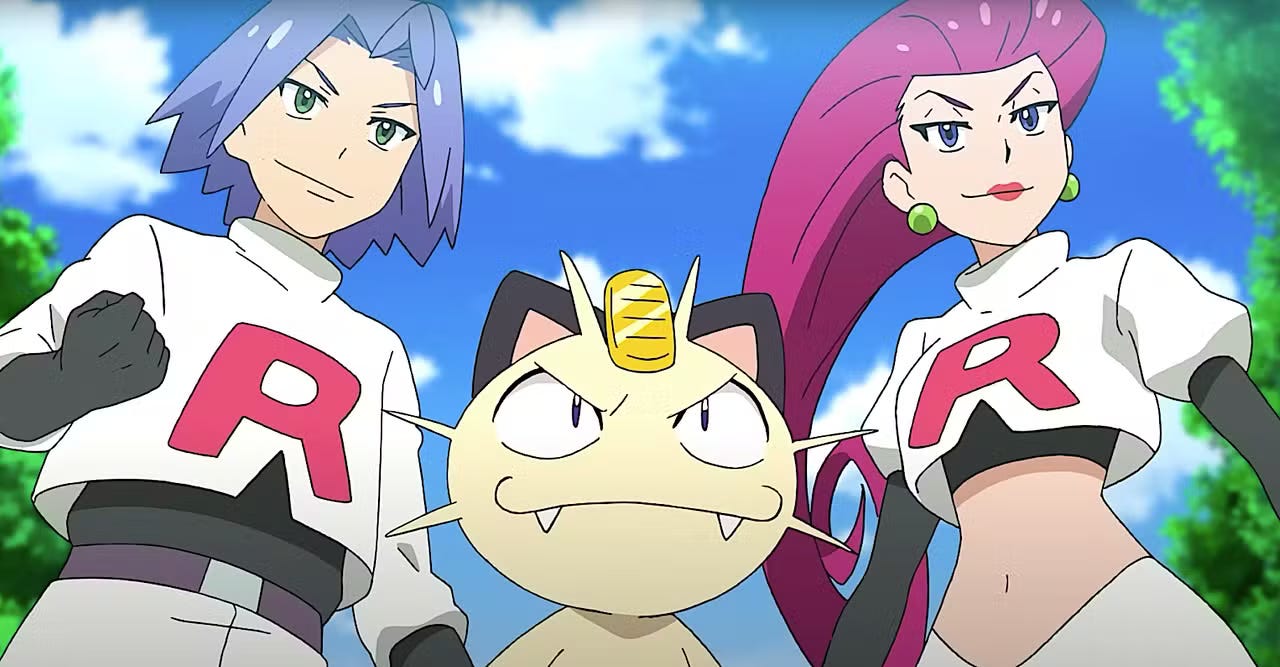
I knew early on that I’d been dealt a bad hand. But much like the refuge I found in books—where I could wander through distant landscapes and inhabit other people’s private thoughts—I found sanctuary in video games. None captivated me more than the Pokémon series, whose world offered both safety and possibility. Those pixelated towns and endless routes became my escape, a place where freedom was earned through courage and companionship. I found solace in exploration: walking through forests, traipsing through cities, climbing mountains with loyal companions who had extraordinary powers and who, alongside me, could save the world from a brutal crime syndicate, fighting not out of malice, but loyalty.
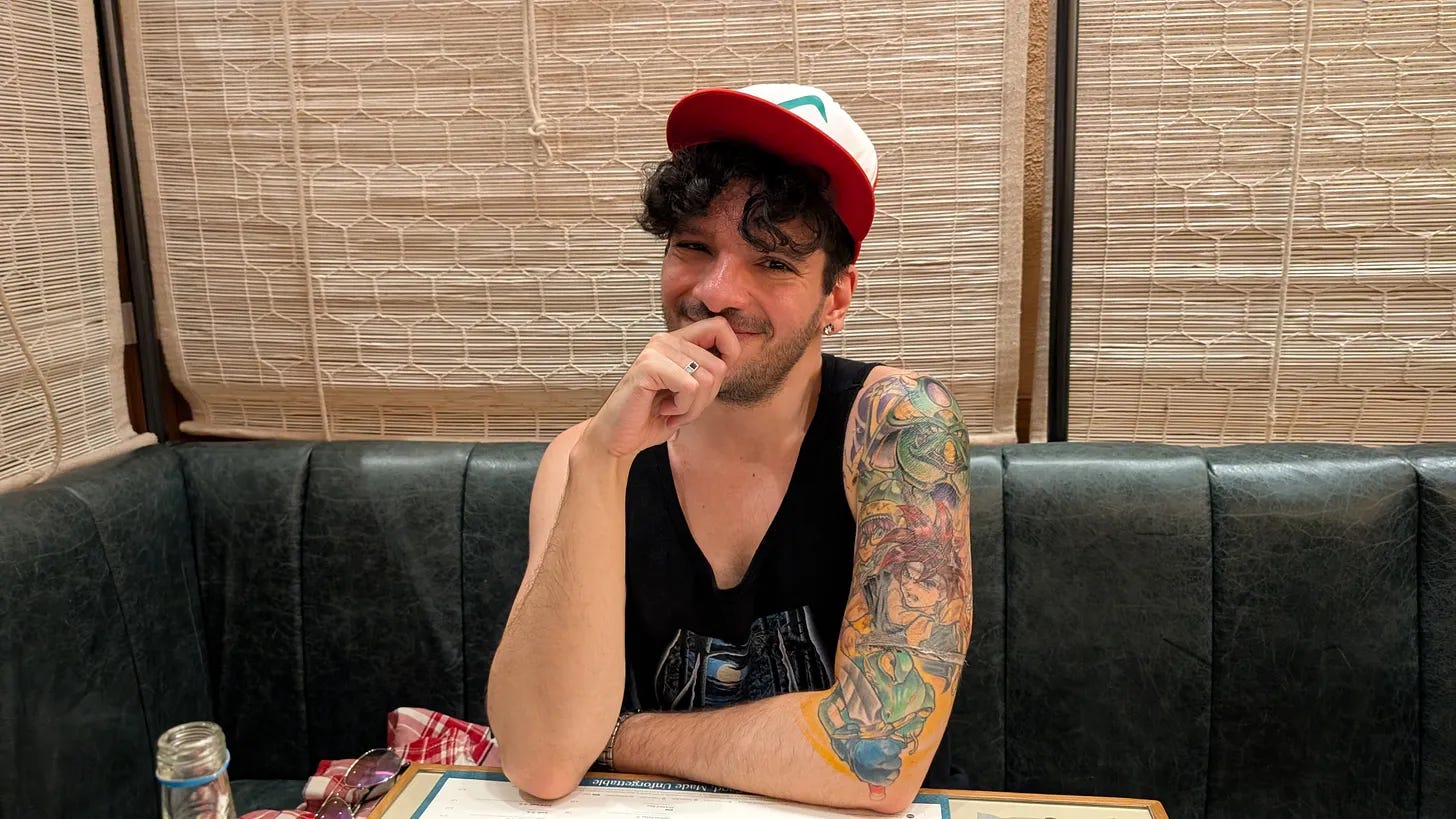
Pokémon taught me structure when life had none. Battles became lessons in patience and precision, understanding type matchups, choosing when to strike, when to heal, and how to nurture what you love so it grows strong enough to fight beside you. By the age of seven, I had absorbed everything I needed to know to take down Team Rocket—the sinister group led by the mysterious Giovanni—so that my character, and my Pokémon, could live free of fear and danger in the world we’d fought to protect. While I found joy in other games where I could save humanity as we knew it—you’re reading the work of a dude with a Chrono Trigger sleeve—Pokémon games were the first RPGs to offer me a true sense of adventure. They also, much like books did, helped me develop a great deal of empathy. Through them, I learned to recognize injustice, to sense when something was wrong even beyond the screen.
It is impossible to pinpoint the exact moment when I realized my home was an abusive one. It was simply easier to abide by my mother’s narratives, even when she was actively and unequivocally hurting me. I did so for many years, at great cost to myself and my relationships. One day, I realized that I was used to being abused by others because she had already normalized and conditioned me to accept abuse from her. But that thought came much later than the one I’d had years earlier, when I could see that I was in an abusive relationship with my own country.
It dawned on me that I had accepted the limitations my mother demanded of my existence—and in doing so, I’d capitulated to the idea that the reasons my dreams didn’t go far in the U.S. were because I believed future limitations had already been prewritten, slabs emblazoned with cuneiform I’d have no trouble deciphering. Raising some Pokémon proved meditative; if I were “to be the very best, like no one ever was,” I would have to take risks—calculated, if imperfect.
I was a child on my umpteenth playthrough of Pokémon Gold on September 11, 2001. I watched my Muslim classmates bear the country’s anger, forced to answer for a horror they had neither asked for nor encouraged. A classmate of mine—one of several Mohammeds I’d shared classrooms with—used to trade battle pointers with me over lunch; I wonder how many hours he whiled away on his Game Boy Color himself. I hope he found comfort then, that he didn’t feel compelled to put away childish things, even in the antagonistic environment in which we found ourselves—neighbors rattled by a terror attack in profoundly different ways.
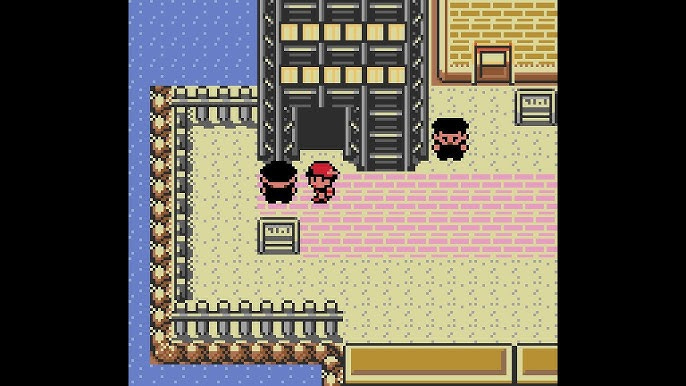
In Pokémon Gold, Team Rocket exists as a ghost of its former self—fractured, desperate, still clinging to the idea of power. At one point, they seize the Goldenrod City Radio Tower to send a message to Giovanni, their vanished leader, somewhere out there in the dark. When I finally took them down for good—a victory that never seems to reach the ears of one lonely Rocket Grunt wandering Kanto, the continent to the east—I felt a quiet surge of triumph. Their attempts to rewrite the story would, so long as I remained at the helm, remain in vain.
Sometimes I began my journey with Typhlosion, other times Meganium or Feraligatr. Occasionally I relied on the steadiness of an Electric type; sometimes I chose to forgo Steel or Dark entirely, to test the limits of what I could survive. Each choice was a small rehearsal for conviction. Good could triumph—I needed to believe that. I needed to believe that faith in one’s own strategy, one’s own light, could still yield victory.
It was a fragile faith, one I clung to as I watched the “War on Terror” unravel the world beyond my screen, reducing a region to ashes on a false premise. The same government that claimed to protect us had unleashed chaos on others. So I played on, convincing myself that if I could defeat Team Rocket, perhaps the darkness outside the wilds of Johto might one day be vanquished, too.
I replayed Pokémon Scarlet in the weeks before I fled the U.S. Each time I climbed onto the back of my Koraidon—whether soaring high above the clouds, surfing entire seas, or darting through the tall grass of the open countryside—I imagined myself already gone, freed from the grip of Donald Trump’s America. I was exhausted by the reality he had built, the way he’d spent a decade fine-tuning my neighbors to his same frequency, a radio station humming with macabre messages. And after so long, even as I clung to the faint hope of my own safety, even knowing that ICE agents had my information and would one day come knocking, I caught myself doing what I had done in my mother’s house: doubting myself, even in flight.
The idea for this essay percolated in my mind for months, though the words themselves didn’t begin to flow until I unearthed my Nintendo 3DS XL from storage and began another playthrough of Pokémon Omega Ruby. By then, I’d spent several weeks settling into life in Santo Domingo—accustoming myself to a new reality, one tinged with survivor’s guilt as I think of my friends in New York and elsewhere, many of whom cannot leave as the situation in the U.S. continues to devolve.
At this moment, the Trump administration is orchestrating a hunger crisis, and the government shutdown—now the longest in American history—rages on. Transgender people have been dealt another blow by the Supreme Court, which this week allowed the administration to enforce a rule requiring that passports list applicants’ biological sex at birth. Each action is part of a deliberate campaign to sow the very disorder the administration and its surrogates crave—to justify a wider takeover.
The America the Stephen Millers want, the America the Russell Voughts and Steve Bannons dream of, cannot exist without cruelty. The America MAGA envisions—the one previewed in Project 2025—depends on active extermination. I think of my Nazi ex-lover, the one I’ve written about before on this Substack, and realize that he gave me a chilling glimpse of what was coming if I stayed. He was one of many omens: a reminder, along with the history of fascism I absorbed from my grandmother, that the threat is real. He was not an accident. None of them are. The world they want cannot exist unless innocent people die.
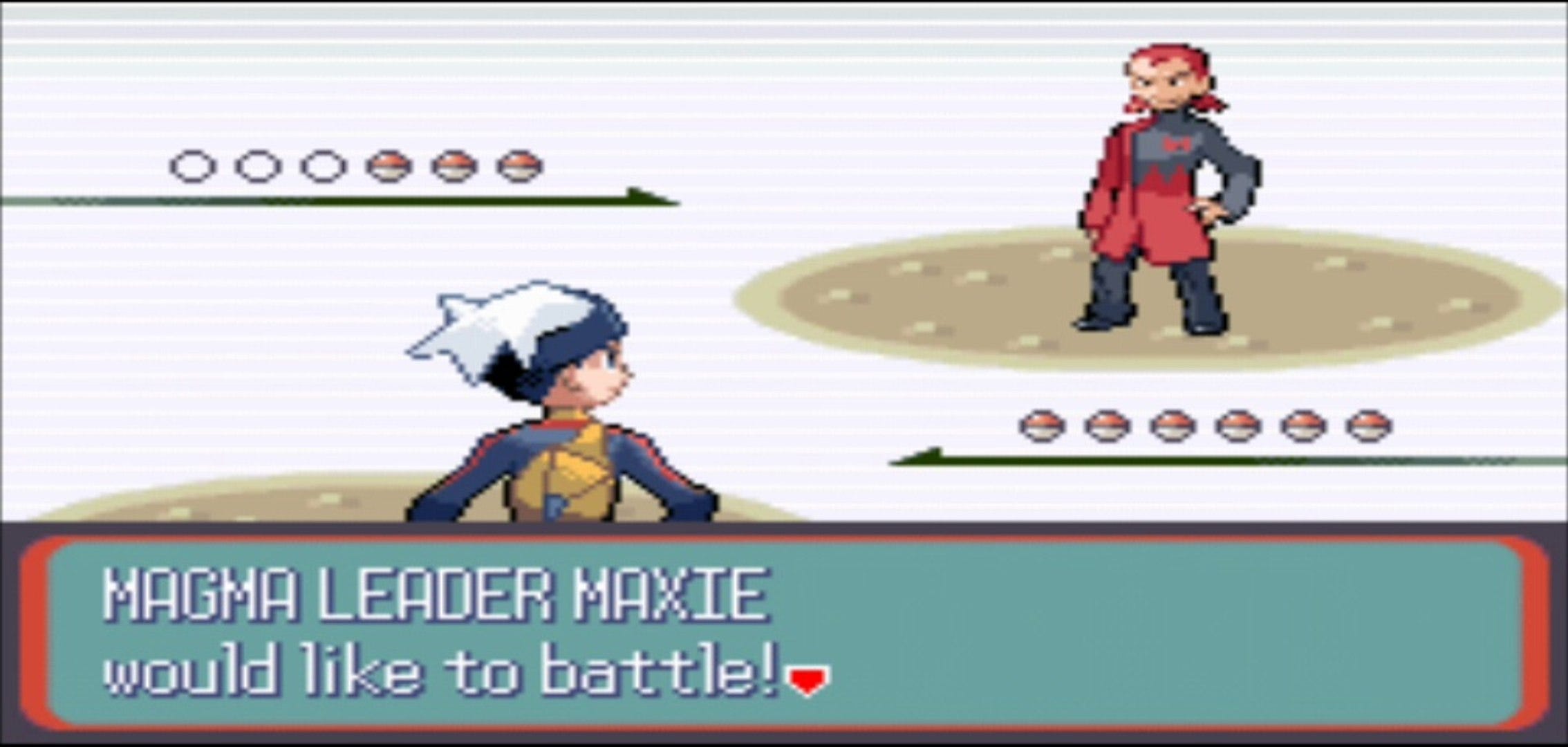
In Pokémon Omega Ruby, as in Pokémon Ruby before it, the villainous Team Magma believes that only by expanding the landmass can humanity and Pokémon truly thrive. “Long ago, living things used the land to live and grow. That is why land is all important! It is the cradle of all!” declares Maxie, one of the group’s leaders. “And for that, we need the power of what sleeps within this mountain.” It is only later—when the world begins to burn—that they are forced to reckon with what they’ve unleashed. In Pokémon Sapphire and Alpha Sapphire, their aquatic counterparts, Team Aqua, meet the same fate: face to face with the overwhelming power of the sea, and the ruin that follows without restraint.
When the world feels desolate, we make—and turn to—art. I am writing more than ever these days, and this essay would not exist were it not for the works that have touched me most deeply: in this case the Pokémon that illuminated my childhood and have continued to cast their quiet light over my life since. The adventures I’ve shared with them have enriched my world, fueled my wanderlust, and reminded me that it’s okay to dream. I leaned on them again for comfort in the weeks leading up to my exit, and they delivered—reminding me how much they had already given me: the strength to keep going, to imagine a better, brighter tomorrow. The guilt I live with now, in relative safety, feels a bit more manageable each time I sit down to write—adding to this living, breathing document, this chronicle of the before and the after, this testimony to the struggles and horrors I shared with my countrymen and that continue to unfold with each passing day.
I also find myself writing, more than ever, for the child I once was—to remind him that he was worthy of unconditional love, of safety, of a home untouched by judgment, of a world that could hold his tenderness without punishing it. My struggles unearthed a key truth: I could not live my mother’s delusion. Moreover, I could not find order in my country’s mass psychosis, not if I were to save myself. I approached the year before I left the U.S. as if it were one long Pokémon battle—the same thrill I’d felt when facing Champion Lance’s dragons for the first time, their elemental weaknesses still a mystery to my young, enthralled mind.
I’ve not put away childish things—they’ve molded me, sustained me, and taught me how to imagine a gentler world.